

Fleet Management
Debate worth having: can women reshape logistics leadership?
Louis Boroditsky — 07 October 2026
5 min read
17 April 2026

Fleet managers often overlook minor issues like an extra mile of driving or a few minutes of idling.
And yet, these small inefficiencies can add up, piling unplanned costs and draining valuable resources.
Routing is an excellent example of potential inefficiencies. Get it right and your fleet will deliver on accurate estimated times of arrival (ETAs) and timely deliveries while also saving time, fuel and carbon.
But getting it wrong can cost businesses not only wasted hours and resources but also customer trust and loyalty.
We're exploring what makes smart routing so essential for fleets and how it can make operations more efficient and sustainable.
A fleet of just fifty trucks driving ten extra miles a day can burn through thousands of gallons of fuel in a span of a year. This can turn into a serious financial drain for logistics companies.
And it goes beyond money. Delays in deliveries and inaccurate ETAs can lead to dissatisfied end users and a loss of customer trust.
Because when a driver gets stuck in unpredicted traffic or takes a confusing detour, the entire schedule falls apart. A delayed morning drop-off can cause a domino effect that pushes back every other checkpoint for the rest of the delivery.
And for buyers who expect their goods to arrive exactly on time, this means their trust in your ETA accuracy instantly drops. This forces drivers to rush, increasing stress and the risk of accidents, as well as fewer deliveries per shift.
Not to mention that customers who receive late packages are far less likely to buy from you again.
By using advanced routing tools and constantly monitoring traffic patterns, drivers can determine the most efficient routes in real-time and meet tight delivery deadlines, every time.
Apart from dissatisfied customers, inefficient logistics can have a serious impact on the environment, which is why sustainability is such a big part of fleet management today.
When trucks idle in heavy congestion or travel unnecessary miles, they release excess greenhouse gases into the atmosphere. This spikes their carbon footprint and damages local air quality.
But there is a solution. Just like inefficient routes can cause issues in the entire supply chain, smart routing can fix it.
For instance, real-time traffic data helps truck drivers avoid congested areas and choose alternative routes that are more fuel-efficient. At the same time, real-time monitoring of trucks enables them to make adjustments and optimize routes on the go.
It also takes into consideration factors such as weather conditions, road closures and delivery windows, which translate into better time management during deliveries.
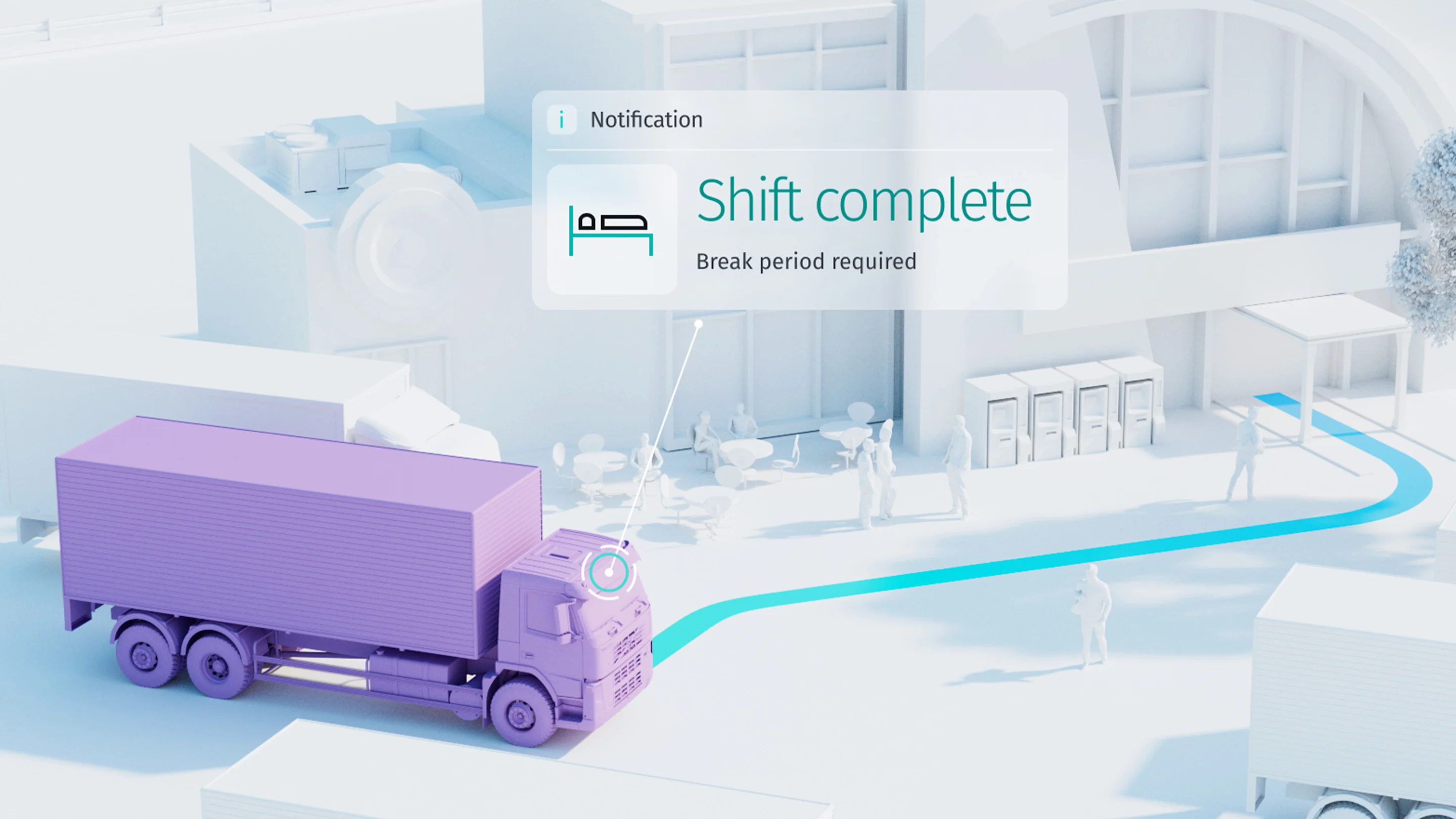
And then there's safety. Monitoring driver behavior and performance enables fleet managers to track factors such as speed, idling time and harsh braking or acceleration, and use this data to improve driver training programs and increase safety on the road.
The benefits of smart routing are clear, but it requires a lot of data analysis and real-time location technology to operate reliably.
In essence, advanced location technology eliminates guesswork for dispatchers and drivers, transforming a rigid schedule into an agile, adaptable network, enabling fleets to stop reacting to road problems and start avoiding them entirely.
The HERE Fleet Cost Calculator provides businesses with an easy-to-use tool to estimate operational expenses by factoring in vehicle type, fuel efficiency and daily distances. By using real-time data and advanced routing technology, it enables smarter planning and cost optimization for fleet operations.
Fleet operators can make smarter decisions and stay competitive by calculating total cost of ownership (TCO).
Additionally, it provides businesses with all the data it they need to identify cost-saving opportunities by providing detailed insights into fuel consumption and maintenance expenses.
This includes fuel consumption, maintenance and other operational expenses. Optimizing routes with data from the calculator cuts fuel use and reduces emissions, reducing the fleet's environmental impact.
This way, businesses can reduce unnecessary expenditures and enhance overall efficiency, resulting in a more profitable and sustainable fleet operation.
By using smart routing and adopting sustainability as a core value, fleets are leading the way toward a greener future.
Thanks to tools such as the HERE Fleet Cost Calculator, fleet managers can streamline their operations for greater efficiency and sustainability.
This strategic shift sets the course for a more profitable, sustainable future in fleet management—enabling companies to make better choices and maintain a competitive edge.

Maja Stefanovic
Senior Writer
Share article
Louis Boroditsky — 07 October 2026
Louis Boroditsky — 06 October 2026
Louis Boroditsky — 10 September 2026
Why sign up:
Latest offers and discounts
Tailored content delivered weekly
Exclusive events
One click to unsubscribe