
Connected Driving
EV interest is rising. Now the ownership experience must deliver
Ian Dickson — 21 September 2026
6 min read
28 May 2026
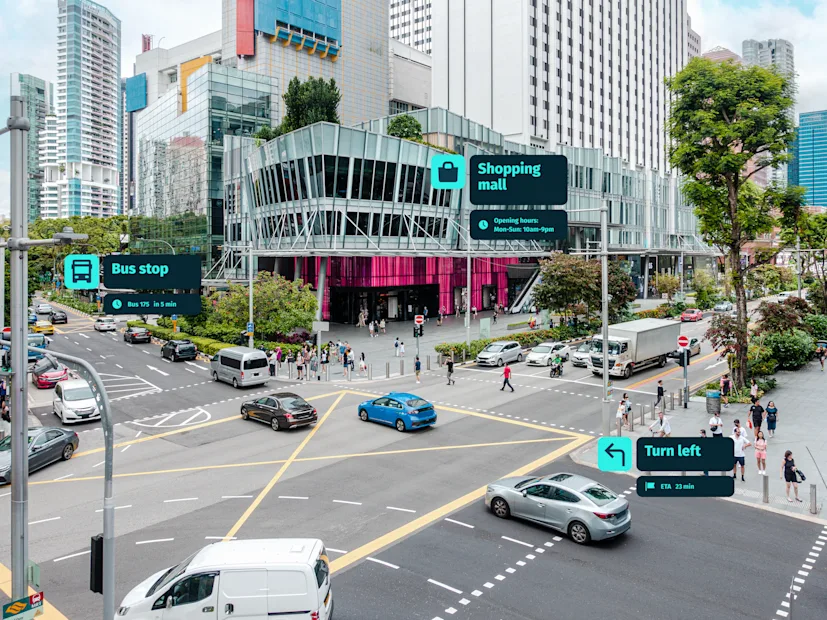
Not long ago, upgrading a product's features meant buying new hardware.
Today, thanks to the rise of embedded software, many devices can be improved by simply downloading a software update. And while the concept might sound unfamiliar, in reality most of us interact with it every day.
From logistics to urban planning and automotive, software is now the primary driver of how systems work, adapt and improve. This shift is officially called Software-Defined Everything, or SDx, and it is transforming how businesses build devices, orchestrate operations and gain their competitive edge.
We're exploring what exactly it is and how exactly it works.
At its core, SDx replaces fixed, physical functions with flexible software-controlled ones. Think of a traditional vehicle where features are locked in the moment it leaves the factory. The navigation system it shipped with was the one you used for the entire lifecycle of the car.
A software-defined vehicle works differently.
Its features can be updated, expanded or changed completely long after purchase through over-the-air software updates.
In logistics, this adaptability allows for dynamic route adjustments based on live traffic, weather or unexpected delays. A delivery truck's path is no longer a fixed line on a map but a dynamic, flexible route continuously optimized by software.
In fleet management, vehicle diagnostics and performance can be monitored and updated remotely, improving efficiency and safety through predictive maintenance without needing physical service checks.
SDx helps us in our everyday lives as well. Think smart home systems, where lighting, heating and security can be adjusted remotely via apps or voice commands, adapting to your preferences and daily routines.
Modern healthcare devices, like wearable fitness trackers, also benefit from SDx, continuously collecting and transmitting data to provide users with real-time insights into their health and enable personalized recommendations.
This shift transforms static operational plans and devices into living systems that adapt to their surroundings.
Several factors drive the transition to SDx.
The Internet of Things (IoT) plays a crucial role. Sensors are now in everything from shipping containers to road signs, creating vast data streams that software can process efficiently. Cloud computing also makes it practical to run complex systems remotely without expensive on-site hardware.
Advances in AI and machine learning advance the software by giving it the ability to not just respond to data, but learn from it as well.
This resulted in systems that are able to adapt quickly. A logistics company can reroute deliveries within minutes based on real-time traffic data; a city can adjust speed limits dynamically in response to weather conditions, while an carmaker can push a new safety feature to millions of vehicles overnight.
To operate successfully, SDx relies on data. And for the automotive and logistics industries, it's the location data that sits in its core.
Most software-defined systems depend on knowing exactly where things are and how they are moving. Even the most advanced software need accurate, real-time location data to make reliable decisions.
This is where location tech plays a key role.
HERE's unified live map provides the location intelligence that powers software-defined systems across industries, while the HERE HD Live Map gives autonomous and semi-autonomous vehicles a constantly updated picture of the road environment, including lane markings, speed limits and road geometry.
Additionally, HERE Real-Time Traffic feeds live data into routing and navigation systems, helping both drivers and logistics operators make smarter decisions while en route.
This enables software-defined systems to process data more efficiently and make better-informed decisions, all the time.
SDx also introduces new opportunities for growth and innovation.
As more critical functions move into software, security is becoming a key focus, protecting connected vehicles and city infrastructure systems from software vulnerabilities.
Robust data protection, regular audits and clear governance frameworks that build trust will be crucial aspects of the evolution of SDx.
As systems become more interconnected, ensuring they work together reliably will be just as important.
SDx systems are very complex and organizations embracing them should invest in the expertise and processes to manage this complexity. Software-defined operations as a strategic discipline will lead the way, turning technical upgrades into a competitive advantage.
SDx driven operations offer greater efficiency, faster adaptation and new ways to create value.
As AI and machine learning continue evolving, they will deliver systems that anticipate changing conditions instead of just respond to them. Edge computing will bring more processing power closer to where data is generated, making real-time decision-making faster and more reliable.
The lines between industries will continue to blur, as the same software platforms that power vehicles start powering cities, and the same location intelligence that guides logistics starts spanning multiple industries.

Maja Stefanovic
Senior Writer
Share article
Ian Dickson — 21 September 2026
Louis Boroditsky — 22 July 2026
Louis Boroditsky — 17 July 2026
Why sign up:
Latest offers and discounts
Tailored content delivered weekly
Exclusive events
One click to unsubscribe