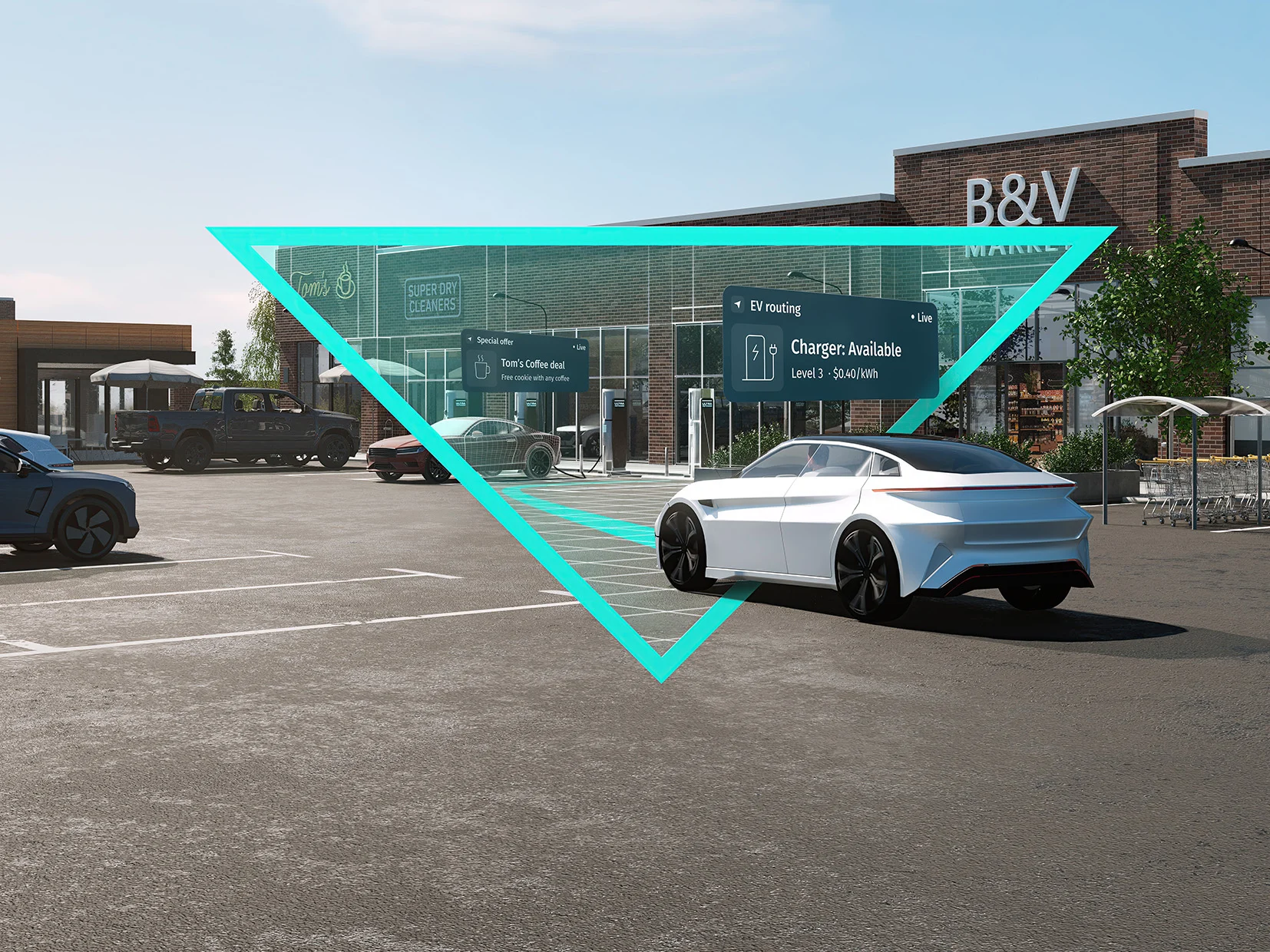

Connected Driving
EV interest is rising. Now the ownership experience must deliver
Ian Dickson — 21 September 2026
6 min read
04 December 2025

Recent developments in in-car technology brought some [object Object] From life-saving safety systems to easier navigation, driving keeps becoming easier and more enjoyable.
But not every new feature is a success.
In the race to innovate, some add-ons might sound great on paper but ended up being frustrating in practice.
From distracting or unreliable to plain annoying, we're exploring five recent digital in-car features that were meant to impress us but turned into more trouble than they were worth.
Gesture controls arrived wrapped in a concept of convenience, like waving a hand to adjust the volume or swiping in the air to change a song.
In reality, these systems are often inconsistent. One moment they ignore your commands completely, and the next, a simple hand movement during a conversation cranks up the music to full blast.
Instead of making things easier, they added a layer of unpredictability.
Drivers find themselves repeating gestures or accidentally triggering functions, which is more distracting than using a simple knob or button.
The solution?
Drivers can interact naturally with navigation and infotainment systems without taking their eyes off the road.

Read more: The case for drowsiness detection systems
Over-the-air (OTA) software updates are designed to keep your car’s systems current with the latest improvements.
The problem is, they often start at the most inconvenient times.
You might be ready to leave for work, only to find your car is in the middle of a lengthy update. Waiting for a car to finish downloading software can seriously disrupt your day. For these updates to be truly useful, they need to be seamless and reliable, something many systems are still working to achieve.
The solution?
By using location data to learn when and where a driver typically parks for extended periods, at home overnight, for example, updates can be delivered silently and efficiently.
For safety-critical systems like HERE HD Live Map, which provides real-time road geometry, route profiles and traffic sign data, reliable updates are essential. Combining OTA management with predictive location context ensures that safety software stays current without ever inconveniencing the driver.
Advanced voice-activated navigation that prioritizes accuracy and ease of use, minimizing the frustration caused by inconsistent gesture controls.
With intuitive voice command technology, drivers can seamlessly interact with their systems without taking their hands off the wheel or eyes off the road.
Subscription-based features are becoming more common in new cars. Automakers are now charging monthly fees for access to features like heated seats or advanced driver-assistance systems.
This model makes drivers feel like they are paying for hardware that is already built into their car. The idea of a recurring payment for something that used to be a one-time purchase feels like a cash grab.
It creates a frustrating experience and can make owners feel like they don't truly own their vehicle and its capabilities.
The solution?
Location intelligence can make subscriptions feel more purposeful. Instead of static paywalls, usage-based and context-aware services, powered by HERE data can activate only when and where they’re useful.
Location technology opens access to premium navigation, EV-charging insights and advanced ADAS functions that turn on automatically during long trips or specific regions.
Massive infotainment screens that look like tablets are now standard in many new cars.
While they look impressive, they often come with their own set of problems. Many have laggy interfaces and small touch targets, making them difficult to use while driving. Crucial functions like climate control are often hidden within several menu layers, forcing you to take your eyes off the road.
What should be a simple adjustment becomes a distracting task. A well-designed system should prioritize safety and ease of use, something these large screens sometimes fail to deliver.
The solution?
Contextual UX data and map-based interface design can make screen interactions more intuitive.
By adapting display options to the driving environment, simplifying menus when the vehicle is in motion, or surfacing relevant information based on route and surroundings, the system can become safer and easier to use.
When combined with HERE’s location-aware routing and voice integration, screens can evolve from overwhelming dashboards to intelligent copilots that anticipate the driver’s needs.
With the power of location technology, even the most frustrating in-car systems can evolve into meaningful, context-aware tools that simplify life on the road.
As automakers learn from these early missteps, location data, AI and mapping capabilities can help shape the next generation of in-car experiences to make them smarter, safer and more human-centered than ever.
We can expect future in-car technology to be more user-friendly and less of a distraction.

Maja Stefanovic
Senior Writer
Share article
Maja Stefanovic
Senior Writer
Ian Dickson — 21 September 2026
Louis Boroditsky — 22 July 2026
Louis Boroditsky — 17 July 2026
Why sign up:
Latest offers and discounts
Tailored content delivered weekly
Exclusive events
One click to unsubscribe